Quick answer: Receiving an obsolete IC shipment does not, by itself, approve it for production. Match the delivery to the agreed order, preserve material identity, review the required evidence and record a release or hold decision before the parts enter usable inventory.
When hard-to-find material finally arrives, schedule pressure can make immediate use tempting. A short, documented receiving process helps resolve differences while the shipment, packaging and supplier correspondence are still easy to connect.
1. Create a receiving record and identify the material’s status
Assign a receipt reference that connects the purchase order, supplier, delivery date, shipment documents and physical containers. Record who received the goods and where they are held pending the required review.
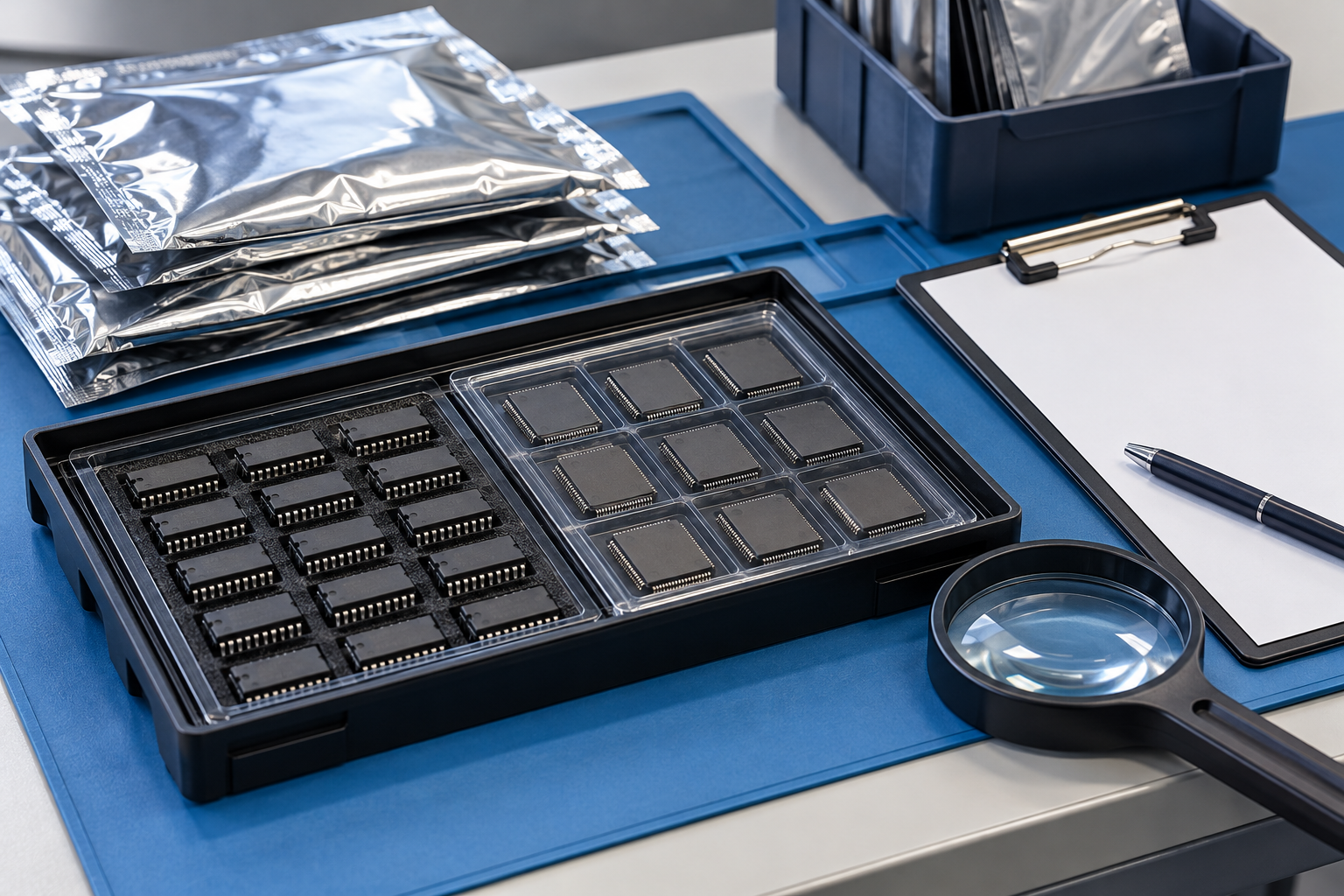
Use a clearly understood status such as awaiting inspection, on hold or released, according to your quality system. Preserve the applicable electrostatic-discharge and moisture protections during receipt and handling. Opening every container immediately is not a substitute for a planned inspection.
As a useful reference, section 6.5 of NASA-STD-8739.10, the June 2017 space-flight hardware standard, addresses receiving checks, inspection records, identification of acceptance or nonconformance status, protective measures and segregation of nonconforming items. Its requirements belong to the applicable NASA program context; the workflow below is general procurement guidance, not a claim that a commercial shipment meets that standard.
2. Compare the exact delivery with the agreed order
Compare the full manufacturer ordering code, quantity, package, temperature grade, condition and agreed documentation. Record any approved deviations alongside the purchase order rather than relying on a verbal explanation given after delivery.
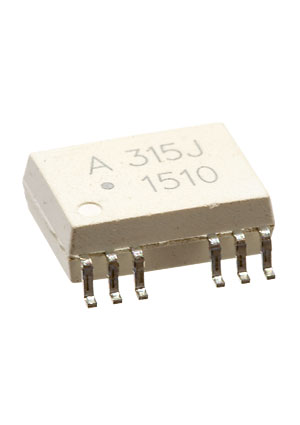
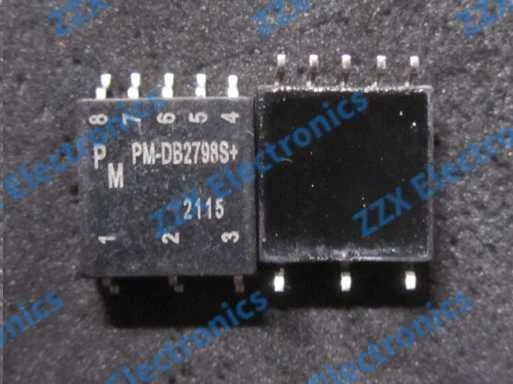
A shortened marking or different shipping label may need interpretation using the manufacturer’s documentation. Investigate the difference before treating it as either acceptable or counterfeit. Our part-number suffix guide explains why seemingly small code changes deserve attention.
3. Keep separate material groups identifiable
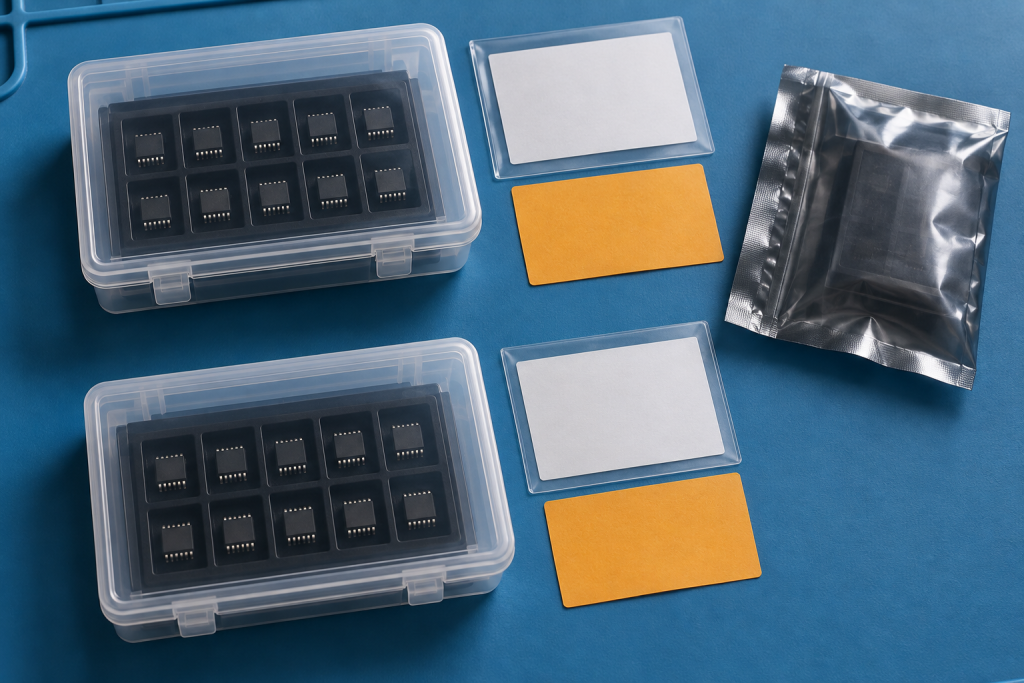
Keep the available labels, packing records and inspection references connected to the corresponding material. Do not consolidate different date-code groups or containers in a way that loses the link to their records.
For example, a delivery of 60 pieces could contain 40 from one identified group and 20 from another. Those figures are an illustrative example, not ZZX inventory. One delivery total does not establish a single manufacturing lot or identical inspection coverage. Use the mixed-date-code and split-lot checklist to record the distinction.
4. Check what the evidence actually covers
Review each requested report against the offered and received material. Look for a usable link between the report, part number, material group, sample identification, quantity examined and the inspection or test performed.
Ask which characteristics were checked, under what conditions, and against which acceptance criteria. A visual inspection report does not demonstrate unreported electrical performance. Likewise, an electrical result at one condition should not be expanded into an unsupported claim about every operating limit.
A report covering selected samples also needs an agreed basis for how those results support the lot decision. There is no universal sample quantity that this article can prescribe for every obsolete component. The responsible quality team should set the inspection and acceptance plan for the application.
5. Hold discrepancies for a documented decision
If quantity, identity, condition or documentation differs from the order, identify the affected material and prevent unintended use while the issue is reviewed. Record the observation and retain relevant packaging photographs and correspondence.
Request clarification against the specific discrepancy. Keep the original record alongside any corrected document so the decision remains understandable. A replacement label or newly issued report should not silently erase the receiving history.
The responsible purchasing and quality personnel should agree the disposition and record any authorized deviation. Unresolved material should retain a clear hold status under the organization’s procedures.
6. Record the basis for release
A practical release record connects these items:
- The exact material and quantity covered by the decision.
- The purchase requirements and any approved deviations.
- The inspection or test records reviewed, including their scope.
- The person authorized to approve release and the decision date.
- The storage location and identification needed for later use or investigation.
Agree these expectations before purchase using the obsolete-component RFQ checklist and the documentation and traceability guide. Receiving is easier when the supplier already knows what evidence the buyer requires.
Frequently asked questions
Does a Certificate of Conformance replace receiving inspection?
It is one record to review against the purchase requirements. Do not assume that its presence completes every required identity, condition, inspection or test check.
Does a receiving hold mean the parts are counterfeit?
No. A hold can reflect a missing record, an unresolved difference or an incomplete review. Record the observed issue without making an unsupported authenticity finding.
Can material be released when a required report is missing?
Resolve the missing requirement through the authorized quality and purchasing process. Delivery urgency is not itself a documented acceptance decision.
Plan the receiving requirements with the quotation
When contacting ZZX Electronics, provide the exact ordering code, quantity, delivery target and the receiving evidence your organization requires. Ask us to confirm the available lot information, records and proposed inspection scope in the written offer. Availability of a particular document or test must be confirmed for that offer.
Send an exact-part enquiry to ZZX Electronics.
Reference
NASA-STD-8739.10, Electrical, Electronic, and Electromechanical Parts Assurance Standard, June 13, 2017, section 6.5, Receiving Inspection. Historical program-specific reference checked November 2, 2026; not represented here as the latest revision or a universal commercial requirement.
Sources checked November 2, 2026. Images are AI-generated editorial illustrations, not actual stock, facilities or inspection records. Follow the applicable manufacturer instructions, purchase requirements and approved quality procedures. This article does not certify a shipment, establish a universal sampling plan or approve component use in a particular application.