Quick answer
Cut tape, full reels, tubes and trays describe how components are supplied—not whether the exact device is correct, authentic or ready for your assembly line. Before accepting an obsolete IC offer, confirm the full ordering code, the actual carrier format, usable quantity, identification records and handling requirements with both the supplier and your assembler.
A small available quantity can be valuable for a repair or legacy production run. It can also arrive in a format your line cannot load without additional preparation. The safest time to discover that difference is before placing the order, not when the material reaches receiving.
1. Separate the device package from the shipping carrier
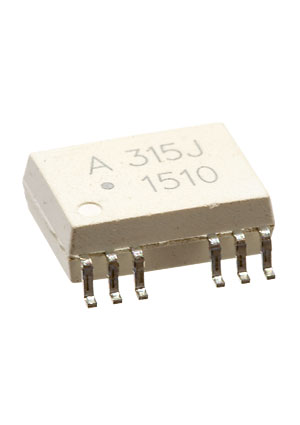
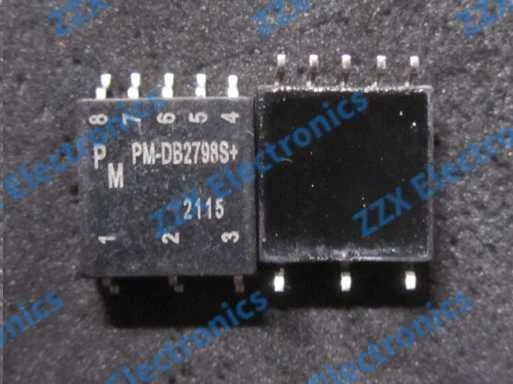
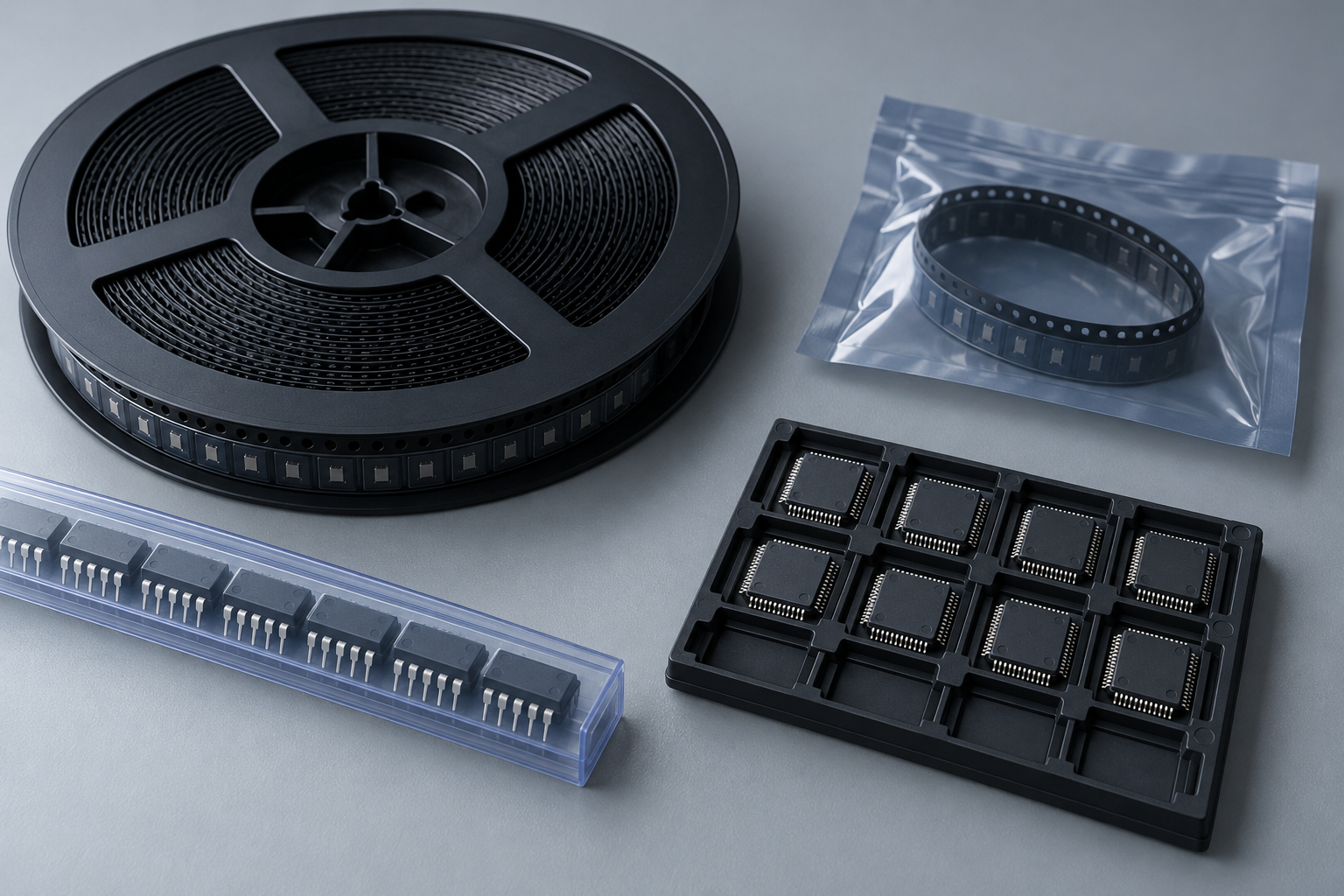
The device package is the physical component body and its connections, such as a DIP, SOIC, QFP or BGA. The carrier is the tape, reel, tube or tray used to handle and deliver it. These are separate purchasing fields.
An RFQ that says only “original packaging” leaves several questions unanswered. Does it require an unopened manufacturer pack, an original label, a full factory reel, or merely a compatible carrier? State the required condition and evidence explicitly. An unmarked replacement reel is not an original manufacturer reel simply because it holds the correct tape.
| Offered format | Question to resolve before purchase |
|---|---|
| Full reel | Is it the original manufacturer reel, what quantity remains, and is its original seal or label intact? |
| Cut tape | How many strips will be supplied, and how many usable components are in each strip? |
| Custom or re-reel | Who prepared it, what was changed, and does the resulting tape meet the assembler’s feeding requirements? |
| Tube | Does the tube suit the device body and leads, and is the material restrained for transport? |
| Tray | Are pocket geometry, device orientation and the proposed handling arrangement acceptable to the assembler? |
2. What a manufacturer’s carrier description does—and does not—promise
TI’s carrier-packaging FAQ distinguishes full reels, custom reels, cut tape and tube/tray options. It describes its own custom reels as a continuous length from one reel, prepared to the requested quantity with leader and trailer. TI also says a cut-tape order may be fulfilled using multiple strips or boxes. [1]
Those statements describe TI’s service. They are not evidence that an independent seller’s “re-reel” has the same construction or traceability. Ask what the actual offered material is and obtain the assembler’s requirements instead of copying a generic leader length into every purchase order.
Likewise, a packaging-related suffix must be interpreted using the exact manufacturer’s ordering information. Do not delete a suffix merely because the supplier is offering a smaller quantity. Our part-number suffix guide explains why an apparently small ordering-code difference deserves review.
3. Ask the assembler before choosing the cheapest format
Send the assembly partner the proposed format and quantity before accepting the quote. For tape-fed production, request confirmation of the information that partner needs, which may include tape width and pitch, pocket suitability, feed orientation, reel dimensions, leader/trailer and any proposed splice. For tubes and trays, ask what receiving and handling constraints apply.
This is a checklist for discussion, not a universal machine specification. The correct requirements depend on the component, feeder, placement process and approved work instruction. A supplier’s statement that a reel is “machine-ready” should be checked against the equipment that will actually use it.
For example, our LM111JG and PEX8509-AA25BIG catalogue entries identify different exact devices. Their catalogue presence does not establish the current carrier, seal condition or production-line compatibility of an eventual offer. Those details belong in the material-specific quotation.
4. Count usable pieces, not just a quoted total
Illustrative example—not ZZX inventory: a repair run needs 60 approved devices. One offer contains a single strip of 60 pieces; another contains six strips of ten. The total is identical, but receiving, handling and feeder preparation may differ.
Ask the assembler whether either arrangement creates an additional material requirement or preparation charge. Do not invent a standard allowance for feeder losses: obtain the actual requirement for the process. Confirm the purchasing quantity only after that discussion.
Record the quantity and identity of each strip, tube or tray where needed. Keep the available original labels linked to the corresponding material. If multiple groups are involved, use our mixed-date-code and split-lot checklist rather than assuming that one delivery is one manufacturing lot.
5. Check protection and handling history separately
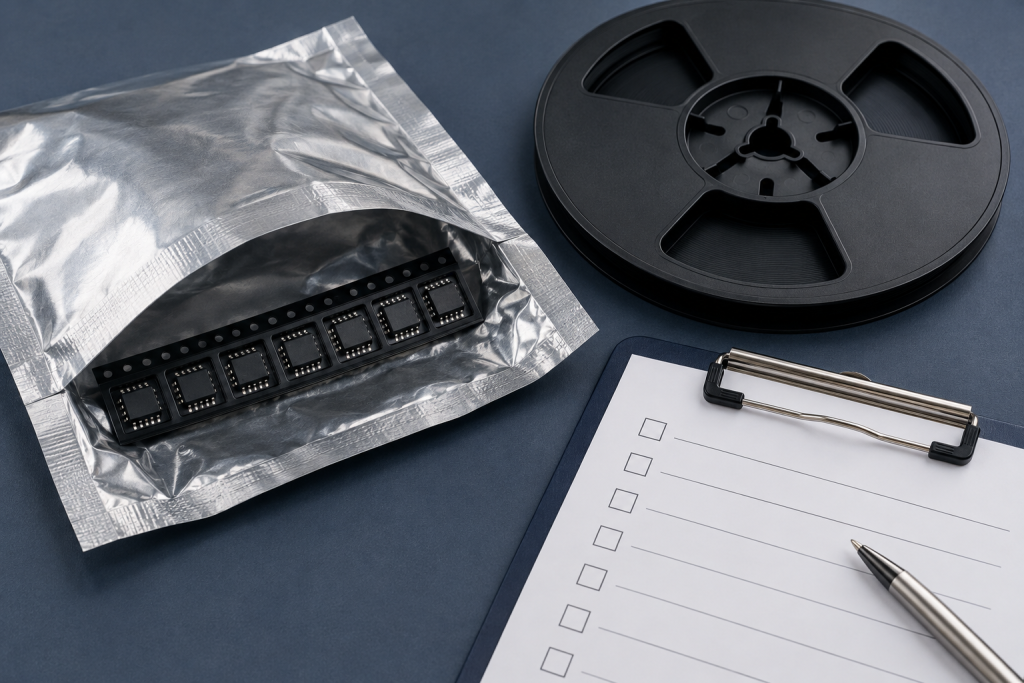
A carrier that fits the feeder does not settle electrostatic-discharge or moisture-handling questions. Analog Devices explains that moisture-sensitive devices can absorb moisture and suffer damage during surface-mount reflow; its MSL glossary describes protective packing with a moisture-barrier bag, desiccant and an indicator card. [2]
For the exact device, ask the responsible quality team to review the applicable manufacturer instructions, MSL information, bag condition, available exposure history and any documented repacking. Do not describe a newly sealed bag as proof that earlier exposure did not occur.
If the history is unknown or the packing is damaged, escalate the uncertainty before assembly. Do not prescribe a generic baking temperature or duration from an article; the appropriate response must account for the device, carrier and approved process. This guide does not certify the condition of any offered lot.
6. Put the agreed packaging in the RFQ and order
Include these fields alongside the technical ordering code and delivery target:
- Required and acceptable alternative carrier formats.
- Quantity per strip, reel, tube or tray, plus the total usable quantity agreed with the assembler.
- Whether original manufacturer packaging, unopened seals or original labels are mandatory.
- Any proposed re-reeling, repacking, splitting or substitution, with approval required before shipment.
- Available identification records and any restrictions on mixing material groups.
- The handling evidence and receiving checks required by your quality team.
“Please quote the full manufacturer ordering code and describe the actual carrier and quantity per carrier. Disclose any repacking or re-reeling and provide available original-label photographs. Confirm our assembler’s agreed handling requirements. Obtain written approval before changing the carrier or combining material groups.”
Use the broader obsolete-component RFQ checklist for the remaining commercial and technical fields. Agree what evidence will be available rather than treating every requested record as a supplier guarantee.
Frequently asked questions
Is cut tape automatically lower quality?
No. Cut tape describes a carrier format, not a quality verdict. Evaluate the offered material, identity, protection and handling evidence separately.
Does a full reel prove authenticity?
No. A reel and a label are evidence to assess, not independent proof of origin or condition. Apply the agreed procurement and acceptance checks.
Is a custom reel the same as an unopened factory reel?
No. Clarify who prepared it and what documentation accompanies it. Do not substitute one for the other without the customer’s agreement.
Can I change tubes to trays after ordering?
Agree any change with the supplier, assembler and responsible quality team before it happens. Compatibility, protection and identification must be preserved; changing the carrier does not change the device ordering code.
Request the packaging details with your next offer
Send ZZX Electronics the exact part number, quantity, delivery target and your assembler’s packaging requirements. Ask us to confirm the currently offered format, material condition and available records in the written quotation. This article does not promise factory-sealed stock, a particular carrier service or manufacturer authorization.
Contact ZZX Electronics before accepting a packaging alternative that could delay your assembly run.
Sources and technical references
- [1] Texas Instruments: What are carrier packaging options? — TI’s definitions of its reel, custom-reel, cut-tape and tube/tray options.
- [2] Analog Devices: Moisture Sensitivity Level — manufacturer explanation of moisture sensitivity and protective packing.
Sources and catalogue links checked October 24, 2026. Purchasing checklists and the numerical example are editorial guidance, not manufacturer approval or a universal assembly specification. Follow exact product documentation and customer-approved work instructions. Images are AI-generated editorial illustrations, not actual ZZX inventory, facilities or inspection evidence.