Quick Summary for Buyers
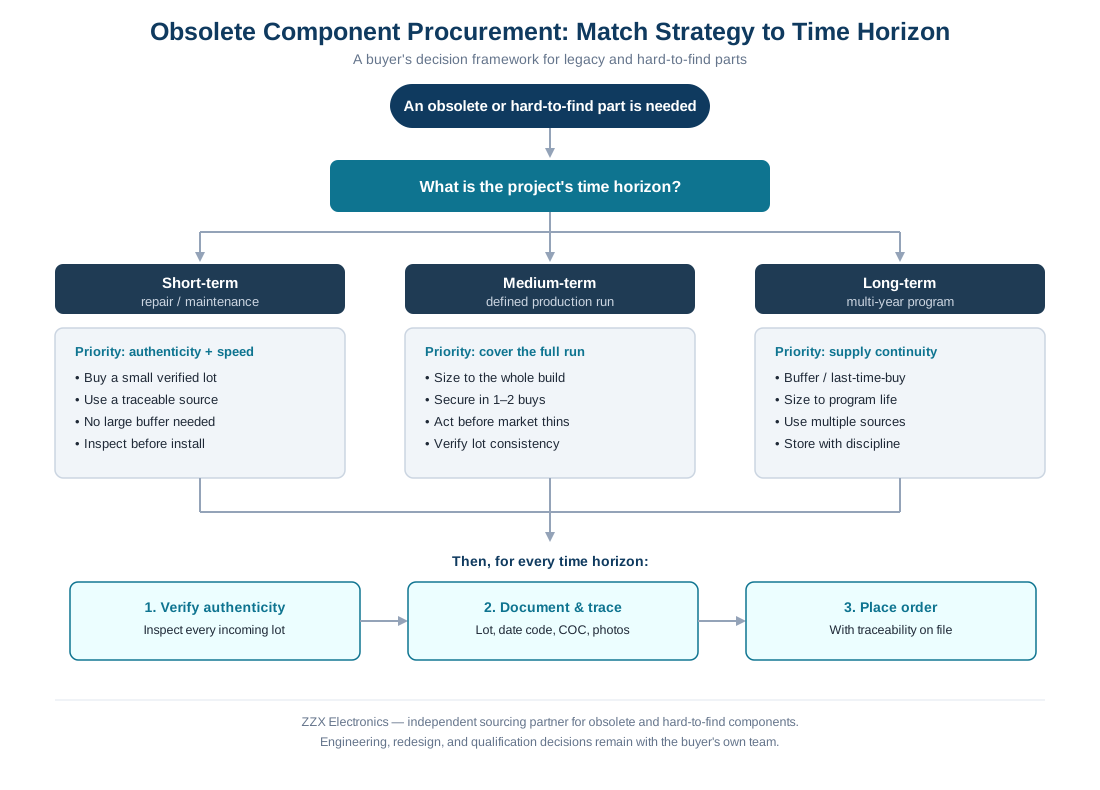
Obsolete component procurement is not the same as buying parts that are still in active production. Once a device reaches end-of-life, the open market becomes thinner, less predictable, and harder to vet. The single most useful decision a buyer can make early is matching the sourcing approach to the project’s time horizon. A one-off repair, a six-month production run, and a ten-year defense or medical program each call for a different strategy.
This guide lays out a practical framework: define your time horizon, decide how much buffer stock is justified, spread risk across sources, and keep a clean documentation trail. It is written for procurement and engineering teams who need a repeatable way to think about legacy parts, not a recommendation of any specific replacement device.
Why Obsolete Component Procurement Requires a Different Playbook
When a part is in volume production, supply is largely a question of price and lead time. When a part is discontinued or hard to find, three new risks appear at once: availability becomes finite, provenance becomes uncertain, and pricing becomes volatile.
Finite availability means that what is on the market today may not be there next quarter. Uncertain provenance means a growing share of open-market stock may be remarked, refurbished, or pulled from scrapped assemblies. Volatile pricing means quotes can swing widely between sources for the same date code.
A good procurement strategy treats these three risks as the real problem to solve, rather than focusing only on finding the lowest unit price. The sections below work through each in turn.
Step 1: Define Your Time Horizon
The time horizon of your project should drive almost every other decision. We group projects into three broad bands.
Short-term repair and maintenance. You need a small quantity, often single or low double digits, to keep existing equipment running. Here the priority is authenticity and speed, not volume pricing. Buying a verified small lot from a traceable source usually beats waiting for a larger, cheaper batch that may never appear.
Medium-term production runs. You have a defined build over the coming months and need a known quantity with predictable quality. The priority shifts toward securing enough verified stock to cover the full run in one or two coordinated buys, so you are not re-entering a thinning market mid-build.
Long-term and multi-year programs. Defense, aerospace, medical, and industrial-infrastructure programs may need the same part for a decade or more. Here the priority is supply continuity: buffer stock, multiple qualified sources, and disciplined storage become central, because the open market for that device may effectively disappear during the program’s life.
A part that is trivial to source for a repair can be a serious risk for a long program. The same device, the same date code, two completely different procurement plans.
Buffer Stock and Last-Time-Buy Thinking
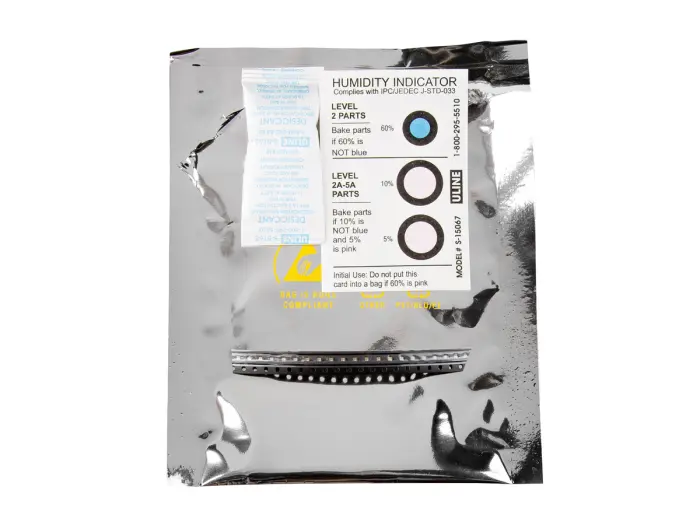
For medium and long horizons, the central question is how much to hold. Buffer stock is the quantity you buy beyond immediate need to protect against the market thinning out before your project ends.
Sizing a buffer is a balance. Too little, and you risk a gap you cannot fill at any price later. Too much, and you tie up capital and take on storage and shelf-life obligations, particularly for moisture-sensitive devices. A reasonable approach is to estimate the full remaining demand across the program, add a margin for yield and attrition, and weigh that against current market depth and your storage capability.
When a manufacturer has announced a final order window, the decision compresses into a last-time-buy: a single purchase intended to cover all foreseeable future demand. Last-time-buy quantities should be sized against the full program life, because a second chance to buy from the original supply may not exist. Confirm any such window directly with the manufacturer or its authorized distribution channels before committing, rather than relying on second-hand market chatter.
Spreading Risk Across Multiple Sources
Single-sourcing an obsolete part concentrates risk in one inventory, one provenance story, and one set of quality controls. Where quantities and budget allow, splitting an order across more than one vetted source reduces the impact of any single batch turning out to be inconsistent or unverifiable.
Multi-sourcing is not only about quantity. Different sources may hold different date codes, different lots, and different packaging conditions. Comparing what each can document — sealed condition, lot continuity, inspection evidence — often tells you more about quality than the unit price does.
The trade-off is coordination effort and the need to inspect more than one incoming batch. For low-quantity repairs this overhead rarely pays off; for production and long programs it usually does.
Documentation and Traceability
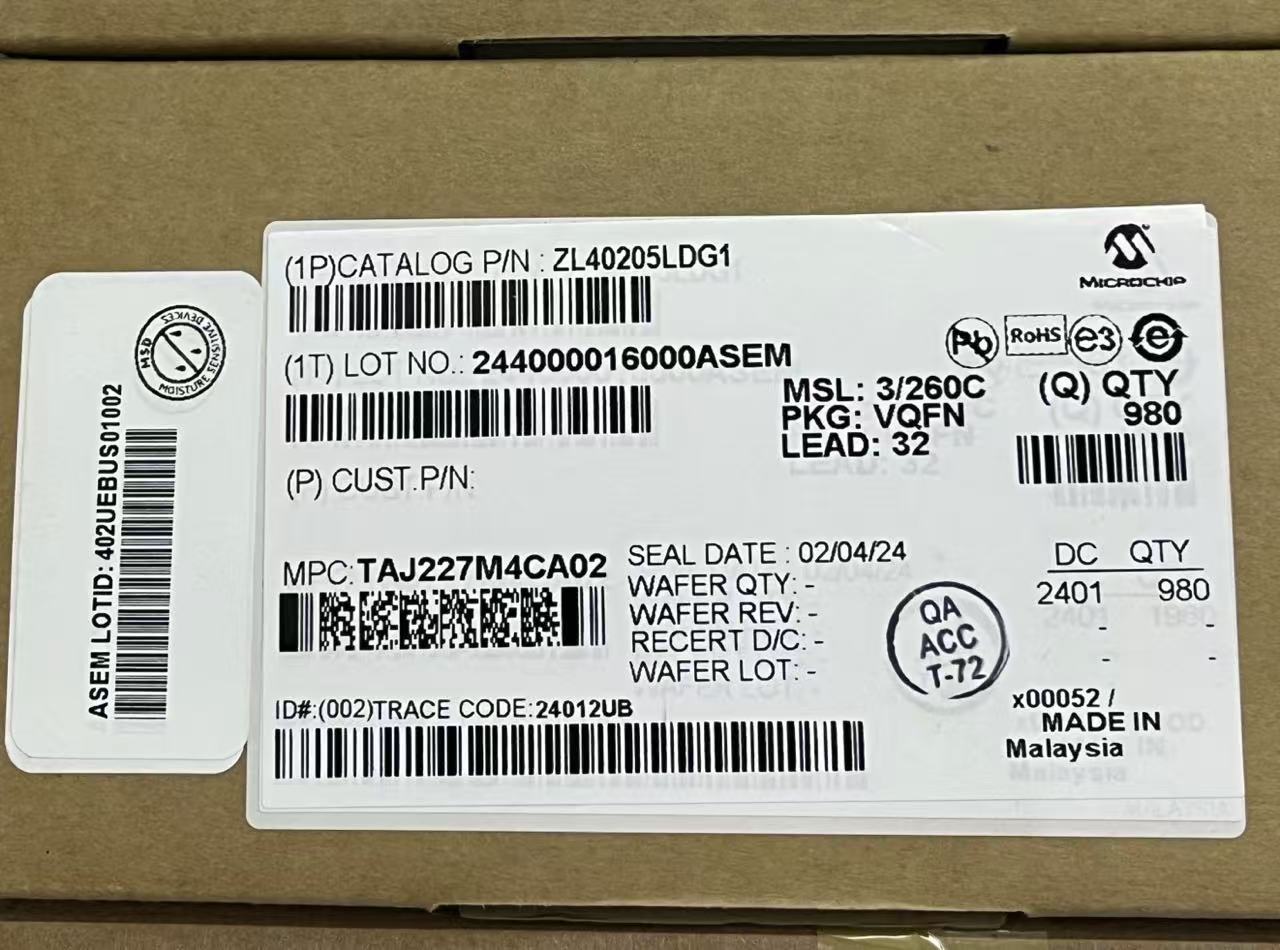
For legacy parts, the paperwork is part of the product. A device with a clean, continuous record is worth more than an identical-looking device with no history, because the record is what lets your quality team accept it with confidence.
The documents worth requesting up front include lot and date-code records, certificates of conformance or analysis where available, the packaging and sealed-condition status, and inspection evidence such as photographs of the actual stock you are buying. Keeping these records on file also protects you later: if a field issue arises, traceability lets you isolate which lot was affected instead of suspecting your whole inventory.
Authenticity verification sits alongside traceability and deserves its own process. The specific things to inspect — package surface, markings, lead or ball condition, and date-code consistency — are covered in detail in our companion guide, how to verify authenticity of obsolete ICs. Treat that verification step as a standard gate on incoming obsolete stock, not an optional extra.
When Redesign Enters the Conversation
At some point in a long program, a buyer may ask whether the design should move to a newer device rather than continue chasing a shrinking supply. That is a legitimate question, but it is an engineering question, not a procurement one.
For long-term designs, customers may need to evaluate newer FPGA families based on official manufacturer documentation. ZZX Electronics does not provide engineering migration certification. Any replacement, redesign, or qualification decision should be verified by the customer’s engineering team. Please refer to the manufacturer’s official lifecycle and migration documentation for technical guidance.
Our role is to keep the existing device sourced and verified for as long as the program needs it, and to give procurement teams the supply visibility to make that call on their own timeline.
How ZZX Electronics Supports Obsolete Component Procurement
ZZX Electronics works as an independent sourcing partner for obsolete and hard-to-find components. The framework above mirrors how we actually support buyers: we help size and locate stock against a project’s time horizon, document what we hold, and verify it before it ships.
Practically, that means hard-to-find component sourcing, inventory verification with photographs, lot and date-code traceability checks, original sealed-packaging verification, sample coordination, and documentation support such as certificates and inspection reports. We can also work through procurement risk with a buyer before any order is placed.
If you are planning a buy and want a second view on sourcing approach, three useful starting points are:
- Request a stock availability check for the parts on your bill of materials.
- Request inspection photographs of available stock before you commit.
- Request a sample for evaluation ahead of a larger order.
You can also browse our FPGA and IC inventory to see the kinds of legacy devices we keep in stock.
Disclaimer
This article describes general procurement practices based on publicly available manufacturer documentation and ZZX Electronics’ sourcing experience. It does not constitute engineering certification, legal advice, or a guarantee of component compatibility.
ZZX Electronics serves as an independent sourcing partner for obsolete and hard-to-find components. We do not certify replacements on behalf of original component manufacturers. Any decisions regarding component selection, redesign, migration, or qualification must be made and verified by the customer’s engineering and quality teams under their specific application conditions.
Lifecycle status, availability, and pricing for legacy components can change over time and should be verified with the manufacturer or its authorized distribution channels before procurement decisions.