When a buyer sees a date code from five, ten, or even fifteen years ago, the first question is usually simple: is this electronic component still safe to use? The honest answer is that a date code alone cannot decide acceptance. It identifies a production lot or manufacturing period, but it does not describe how the parts were packaged, stored, handled, inspected, or tested after manufacture.
For obsolete and hard-to-find components, older date codes are normal. The right procurement decision comes from combining traceability, storage evidence, package condition, moisture control, solderability risk, and application-specific testing.
Quick Answer: Does an Old Date Code Mean a Bad Component?
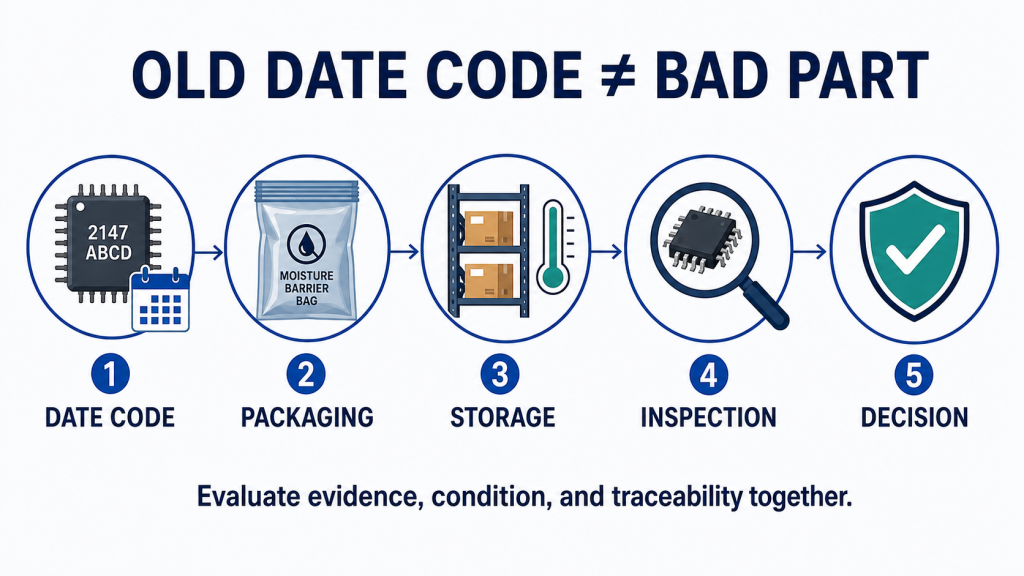
No. An old date code is a risk indicator, not a failure verdict. Components kept in suitable packaging and controlled storage can remain usable for many years. Conversely, newer parts exposed to humidity, poor handling, contamination, or uncontrolled repacking may present more risk than properly stored older stock.
Buyers should treat the date code as the starting point for due diligence. Acceptance should be based on evidence appropriate to the device type and the consequences of failure.
What Is an Electronic Component Date Code?
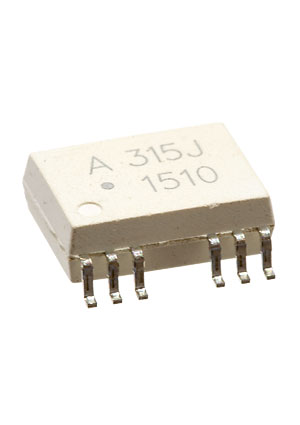
A date code is a manufacturer-assigned marking used to identify when a component or production lot was made. A common format is YYWW, where the first two digits represent the year and the final two digits represent the production week. For example, 2318 often means week 18 of 2023.
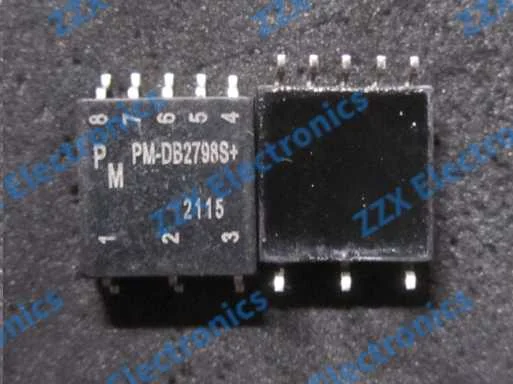
However, YYWW is not universal. Manufacturers may use different formats, internal lot codes, assembly codes, country identifiers, or combined traceability markings. Small packages may not carry the full production lot date code on the device itself. NASA guidance notes that important lot date information may appear on the original shipping label rather than on every component.
For that reason, markings should be interpreted using the original manufacturer’s documentation and the packaging label—not by applying one decoding rule to every device.
Date Code, Lot Code, and Traceability Are Different
- Date code: indicates a manufacturing period or lot date.
- Lot code: identifies a production group processed under common manufacturing conditions.
- Traceability: links the physical parts to labels, packing records, certificates, purchase records, inspection results, and chain-of-custody information.
A clear date code without traceability does not prove authenticity. Likewise, mixed date codes in one shipment are not automatically unacceptable, but they should be declared and separated so the buyer understands exactly what is being supplied.
Why Shelf Life Is Not One Universal Number
Electronic components do not all age in the same way. Risk depends on package construction, materials, storage environment, and the assembly process in which the part will be used.
Plastic surface-mount devices
Plastic packages can absorb moisture. During solder reflow, absorbed moisture may expand rapidly and cause internal delamination or package cracking. Moisture-sensitive devices therefore require controls such as moisture-barrier bags, desiccant, humidity indicators, dry storage, and—when justified by the applicable handling standard—controlled baking and resealing.
Hermetic ceramic and metal packages
Hermetic packages generally provide better protection from ambient moisture, but age still does not eliminate the need to inspect leads, plating, seals, markings, and storage history. Corrosion, bent leads, contamination, or improper handling can affect otherwise genuine parts.
Passive and electromechanical components
Capacitors, relays, switches, crystals, connectors, and other component families have different ageing mechanisms. Seal condition, contact oxidation, electrolyte behaviour, insulation materials, and mechanical storage conditions may matter more than the printed date code. The manufacturer’s device-specific storage instructions should take priority over a general rule.
Five Risks to Evaluate Before Accepting Older Stock
- Moisture exposure: Was the device stored in intact dry packaging with suitable desiccant and a humidity indicator?
- Solderability: Are the leads or terminations oxidized, contaminated, replated, or otherwise degraded?
- Package integrity: Are there cracks, chips, corrosion, damaged leads, inconsistent surfaces, or evidence of remarking?
- Traceability gaps: Do the device markings, reel or tray labels, quantities, lot codes, and supporting documents agree?
- Application criticality: Would a failure create a minor service issue, a production shutdown, or a safety- or mission-critical event?
The higher the consequence of failure, the stronger the inspection and testing plan should be.
Incoming Inspection Checklist for Obsolete Components
- Confirm the exact manufacturer part number, suffix, package, speed grade, temperature grade, and screening level.
- Photograph and retain the original packaging labels before materials are split or repacked.
- Compare device markings, logo style, date and lot codes, country markings, and label data for consistency.
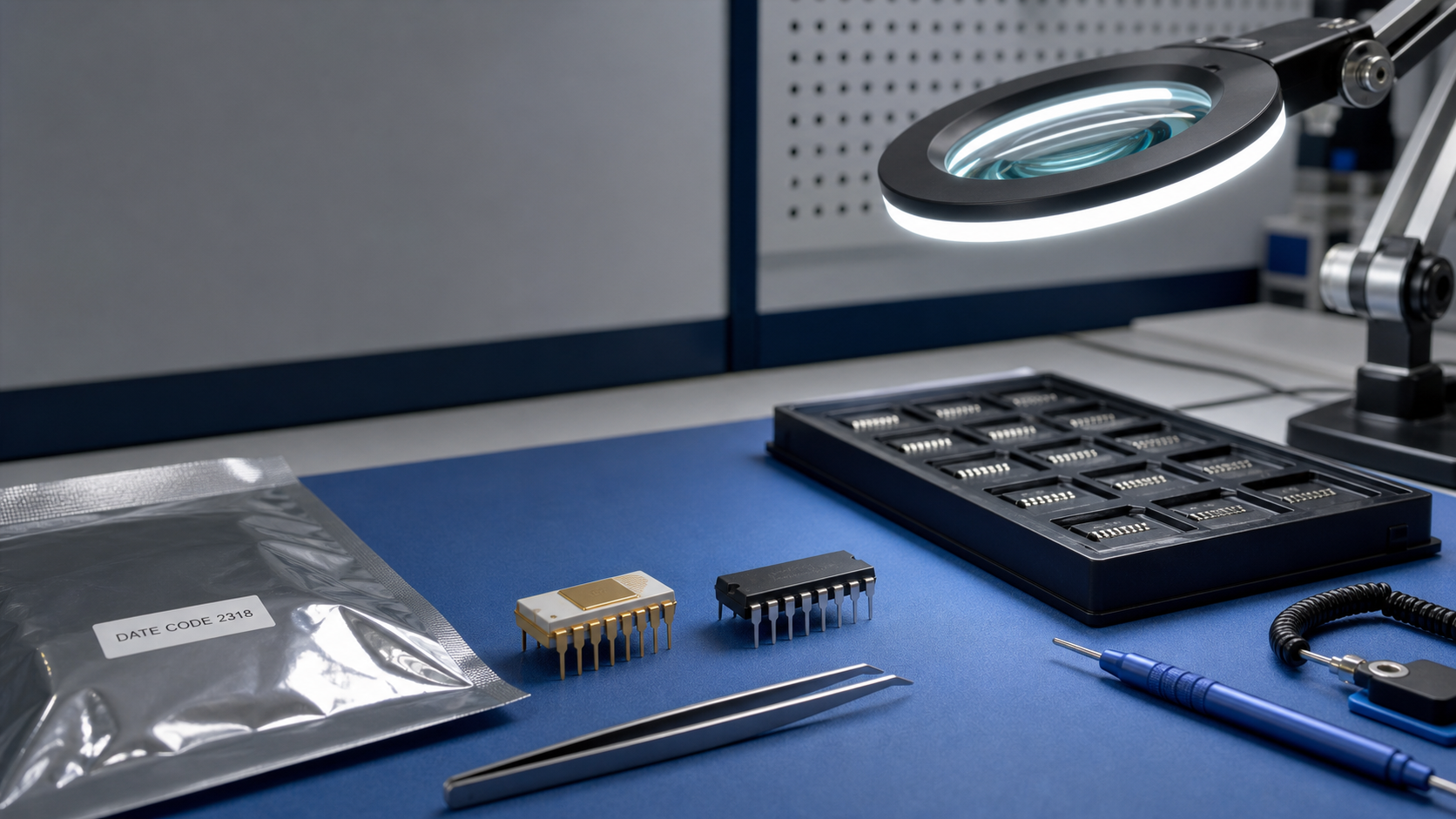
- Inspect leads, balls, terminations, package surfaces, cavities, and seals under suitable magnification.
- Check moisture-barrier packaging, desiccant, humidity indicator status, and the declared handling history for moisture-sensitive devices.
- Use solderability testing when termination ageing is a material assembly risk.
- Apply X-ray, XRF, electrical testing, decapsulation, or other laboratory methods when required by the risk assessment or customer specification.
- Quarantine suspect or inconsistent material until the discrepancy is resolved.
No single test proves authenticity in every situation. SAE AS6171 treats counterfeit detection as a set of controlled methods selected according to risk rather than a universal one-test solution.
Questions to Ask a Supplier About Older Date Codes
- What exact date code or date-code range will be shipped?
- Is the quantity from one lot or multiple lots?
- Is the material in original manufacturer packaging?
- What storage and moisture-control history is available?
- Can the supplier provide clear photos of device markings and packaging labels before shipment?
- What incoming inspection has already been performed?
- Can additional testing be arranged for the required risk level?
- Will the shipped lot match the approved photos and documentation?
These questions are especially important when a legacy bill of materials requires an exact part number and authorized-channel inventory is no longer available.
How Procurement Teams Should Make the Decision
- Verify identity: confirm the exact part number and manufacturer.
- Review traceability: evaluate labels, lot information, documents, and chain of custody.
- Assess storage risk: consider packaging, moisture sensitivity, termination condition, and device-specific ageing mechanisms.
- Match testing to risk: choose inspection and tests according to the application and consequences of failure.
- Document acceptance: retain photos, reports, lot information, deviations, and customer approvals.
For high-reliability programs, the customer’s engineering and quality teams should define acceptance criteria before purchase. An independent distributor can support sourcing and evidence collection, but it should not replace the customer’s qualification authority.
Frequently Asked Questions
Are electronic components more than five years old unusable?
No. Some contracts or organizations impose date-code limits, but age alone does not establish functionality or authenticity. Storage history, packaging, solderability, package condition, testing, and the customer’s acceptance requirements all matter.
Can baking make every old moisture-sensitive component safe?
No. Baking must follow the applicable package and handling requirements. An unsuitable bake can damage packaging materials, labels, reels, finishes, or certain device types. It also cannot correct corrosion, counterfeiting, or loss of traceability.
Does a matching date code prove a part is genuine?
No. Counterfeit or remarked parts can carry plausible date codes. Authenticity assessment requires consistency across device construction, markings, packaging, documentation, and—when justified—laboratory testing.
Should all units in an order have the same date code?
Not necessarily. Mixed lots can be acceptable when disclosed and approved, but they should not be represented as a single lot. Critical programs may require one date code or a restricted date-code range.
What should appear on an RFQ for obsolete stock?
Include the complete part number, manufacturer, quantity, acceptable date-code range, lot restrictions, package and screening requirements, traceability expectations, inspection or testing requirements, and any required photos or certificates.
Source Obsolete Components With Evidence, Not Assumptions
Older date codes are a normal part of obsolete-component procurement. The goal is not to reject every old lot; it is to understand and control the risk with traceability, suitable storage evidence, incoming inspection, and testing appropriate to the application.
ZZX Electronics supports RFQs for obsolete and hard-to-find electronic components. Send the complete part number, required quantity, date-code requirements, and inspection expectations through our contact page, or review available stock in our product catalogue.
References
- NASA/JPL QC115a — Moisture Sensitive Plastic Surface Mount Device Requirements
- NASA — Long-Term Storage Reliability Assessment for Electronic Components
- NASA Lessons Learned — EEE Part Lot Traceability and Lot Date Codes
- SAE AS6171/10 — Counterfeit EEE Parts Detection Test Method
- DLA ASSIST — SAE AS6462 Counterfeit EEE Parts Verification Criteria
Disclaimer: This article provides procurement guidance and does not replace manufacturer instructions, contractual requirements, engineering qualification, or customer-specific quality procedures.